The Difference Between Large Navel Oranges and Small Navel Oranges: What You Should Know Before Buying
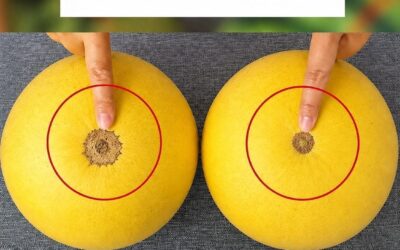
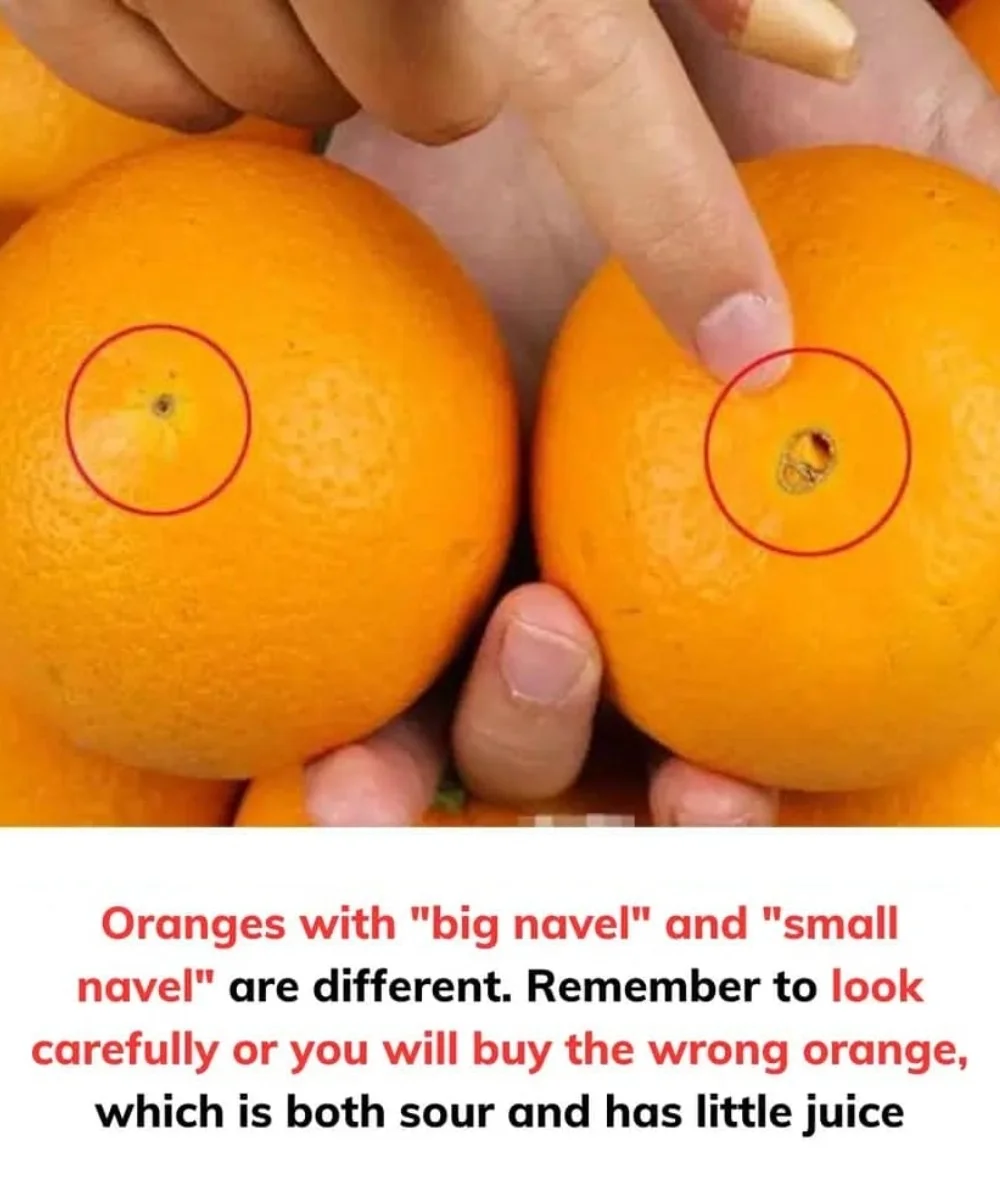
When shopping for oranges, you may notice that some navel oranges have a large, noticeable “navel” at the bottom, while others have a much smaller navel. This small difference in appearance can make shoppers wonder whether the two oranges taste different, contain different amounts of juice, or have different qualities.
Navel oranges are one of the most popular types of oranges because they are naturally sweet, easy to peel, and seedless or nearly seedless. But does the size of the navel really tell you whether an orange is sweet and juicy?
What Is the “Navel” on an Orange?
The navel is the small, circular formation found at the blossom end of a navel orange. It develops because navel oranges contain a tiny secondary fruit growing inside the main fruit. This gives the orange its characteristic “belly button” appearance.
The size of this navel can vary considerably from one orange to another. Some fruits have a large, open navel, while others have a tiny spot that is barely visible.
Does a Large Navel Mean the Orange Is Bad?
Not necessarily.
A large navel does not automatically mean that an orange is sour, dry, or lacking in juice. Likewise, a small navel does not guarantee that an orange will be exceptionally sweet or juicy.
The taste and juiciness of an orange depend on many factors, including:
- The variety and growing conditions
- How mature the fruit was when harvested
- Weather during the growing season
- Water availability
- Storage conditions
- How long the fruit has been stored
Therefore, judging an orange solely by the size of its navel can be misleading.
How to Choose a Sweet and Juicy Navel Orange
Instead of concentrating only on the navel, look at the overall appearance and feel of the fruit.
1. Choose an orange that feels heavy for its size
One of the simplest ways to find a juicy orange is to pick it up and compare it with other oranges of a similar size.
An orange that feels relatively heavy for its size may contain more juice. A very light orange can sometimes be less juicy, although weight alone is not a perfect guarantee.
2. Look for firm, healthy skin
The skin should generally look fresh and healthy. Avoid oranges with large soft spots, extensive bruising, mold, or damaged areas.
A slightly rough or textured peel does not necessarily mean the inside will be bad. The external appearance of citrus fruit can vary naturally.
3. Look at the color
A mature navel orange will generally have an attractive orange color, although color alone is not a reliable indicator of sweetness. Some oranges can develop good flavor before achieving a perfectly bright orange appearance.
4. Feel the fruit
The orange should feel firm but not rock-hard. Avoid fruit that feels excessively soft, shriveled, or unusually spongy.
A little softness can occur as fruit ages, but significant softness may indicate deterioration.
What About the Large Navel and Small Navel in the Picture?
The image shows two oranges with noticeably different navel sizes. The orange on one side has a smaller navel, while the other has a larger and more pronounced one.
This difference is primarily a natural variation in the fruit’s development. It should not, by itself, be used as a rule that one orange is sweet and juicy while the other is sour and dry.
In other words, the size of the navel is not a reliable quality test.
If you’re choosing oranges at the grocery store, it’s better to consider several characteristics together rather than relying on one visual feature.
The Best Simple Rule
For Complete Cooking STEPS Please Head On Over To Next Page Or Open button (>)